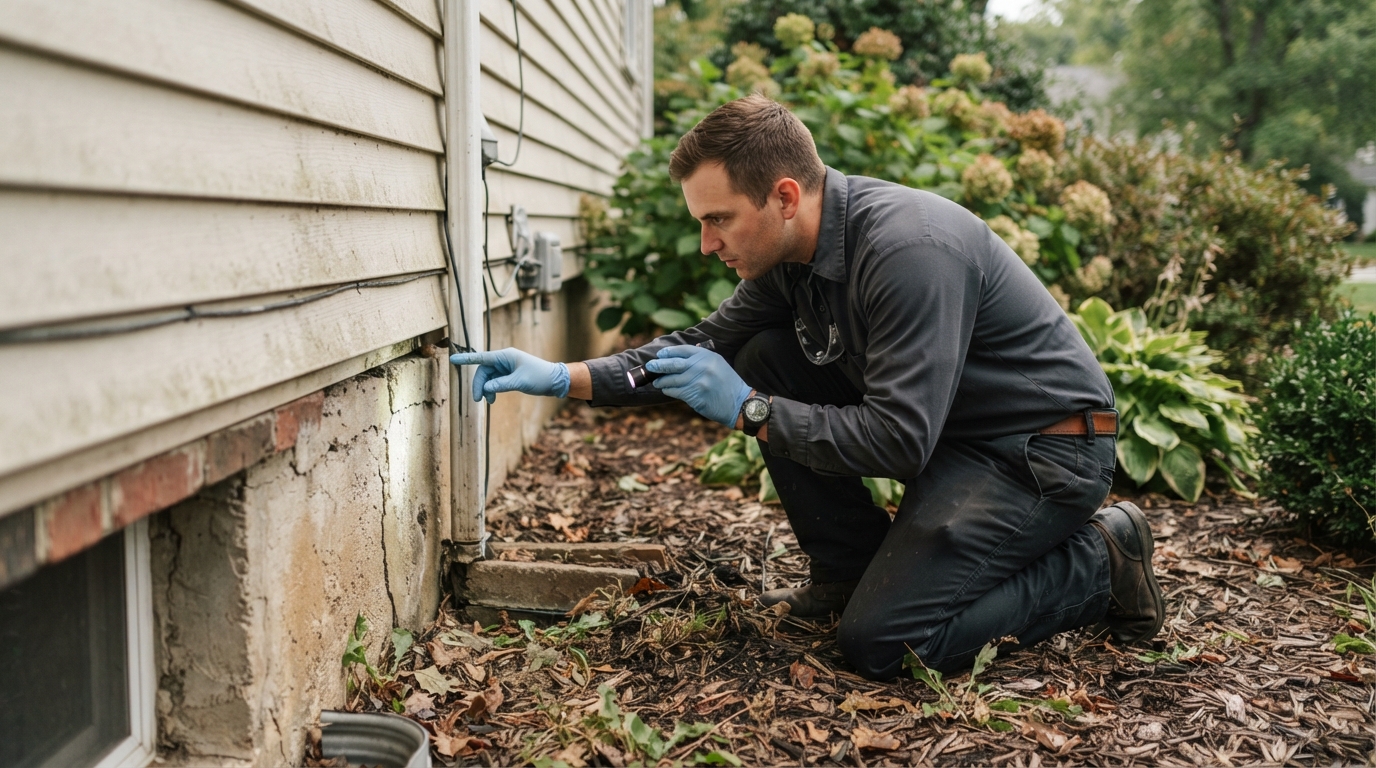
• A pest inspection identifies active infestations, conducive conditions, and structural damage through a visual, room-by-room evaluation.
• The process typically includes an exterior perimeter check, interior assessment, crawl space or attic review, and a written report.
• Homeowners in Morris County, NJ often request inspections before real estate transactions, after spotting signs of activity, or as part of routine seasonal maintenance.
A professional evaluation of a property’s pest risk starts with a trained technician examining both the exterior and interior for signs of insects, rodents, or wood-destroying organisms. The goal is to document existing activity, identify entry points, and flag conditions that could attract pests before they cause damage.
Homeowners typically request a Pest Inspection Morris County NJ when preparing for a home sale, after noticing droppings or damage, or as a preventive step tied to seasonal changes. Because older housing stock and wooded lots are common throughout Morris County, NJ, many properties in the area have conditions that warrant a closer look, including moisture buildup near foundations or gaps around utility lines.
What Happens Before the Inspection Begins
Scheduling usually starts with a short conversation about the property’s age, any visible signs of pest activity, and whether the inspection is tied to a real estate transaction or routine maintenance.
• The technician asks about recent sightings, moisture issues, or prior treatments.
• Access points such as crawl spaces, attics, and utility areas are confirmed in advance.
• Weather and seasonal timing are considered, since many pests become more active in warmer months.
This preparation step allows the inspection to move efficiently once the technician arrives on site.
The Step-by-Step Inspection Process
A standard inspection follows a consistent sequence so nothing is overlooked.
1. Exterior perimeter check – The foundation, siding, vents, and eaves are examined for cracks, gaps, or nesting activity.
2. Interior walkthrough – Kitchens, bathrooms, basements, and storage areas are checked for droppings, shed skins, or damage to wood and drywall.
3. Crawl space and attic review – These areas often reveal evidence of rodents, termites, or moisture-related wood decay that is not visible from living spaces.
4. Moisture and conducive conditions assessment – Standing water, leaking pipes, and poor drainage are noted because they attract pests and can accelerate structural damage.
Findings from each stage are recorded in real time, often with photos, to support the final written report.
Reading the Inspection Report
The report translates field observations into a usable document for homeowners, buyers, or real estate agents.
| Report Section | What It Covers |
| Summary of Findings | Overview of active or past pest activity |
| Conducive Conditions | Moisture, wood contact with soil, or entry points |
| Structural Observations | Damage to wood framing, sills, or siding |
| Recommendations | Suggested follow-up actions, if any |
A clear report helps homeowners understand whether further treatment or structural repair is warranted, rather than relying on guesswork.
Seasonal and Regional Considerations in Morris County, NJ
Local climate patterns influence when pest activity is most likely to appear. According to the U.S. Environmental Protection Agency, moisture control and sealing entry points are among the most effective ways to reduce pest pressure in and around homes. Humid summers and older housing stock in Morris County, NJ create conditions where termites, carpenter ants, and rodents can become established if moisture and access points are not addressed.
Based in Stirling, NJ, Professional Pest Inspection Services serves customers across Morris County, NJ, reflecting how many regional providers operate from a single location while covering a broader service area.
Frequently Asked Questions
How long does a typical inspection take? Most residential inspections take between 30 and 90 minutes, depending on the size of the property and accessibility of crawl spaces or attics.
Is a pest inspection the same as a termite inspection? Termite inspections are often a component of a broader pest inspection, but some real estate transactions require a separate, specialized termite report.
Do all homes need an annual inspection? Not necessarily, though older homes, properties with known moisture issues, or those near wooded areas benefit from more frequent checks.
What should homeowners do after receiving the report? Homeowners should review the recommendations section and address any conducive conditions, such as moisture or gaps, as soon as practical.
Next Steps for Homeowners
A pest inspection report is most useful when paired with timely follow-up on any flagged conditions, particularly moisture control and sealing entry points. Current availability details for Professional Pest Inspection Services are published for the local service area.