At glance:
• Cosmetic dentistry addresses the appearance of teeth through procedures such as veneers, teeth whitening, and smile reshaping.
• A professional cosmetic dentist evaluates oral health first, then recommends options based on individual goals and dental structure.
• Treatment planning typically includes an exam, a discussion of desired outcomes, and a review of suitable procedures.
A professional cosmetic dentist focuses on improving the visual appearance of teeth and smiles while maintaining attention to oral function and health. This distinguishes cosmetic dentistry from general dental care, which centers primarily on prevention and treatment of disease.
Patients searching for a professional cosmetic dentist are typically looking for guidance on procedures like whitening, veneers, or bonding, along with an understanding of what the process involves before committing to treatment. Cosmetic dentistry has grown into a distinct area of practice because patient expectations around smile appearance have expanded alongside advances in dental materials and techniques.
What a Cosmetic Dentist Actually Does
Cosmetic dentistry covers a range of procedures aimed at correcting discoloration, chips, gaps, or uneven tooth shape. Common services in this category include:
• Teeth whitening to reduce surface and intrinsic staining
• Porcelain or composite veneers to reshape the front surface of teeth
• Dental bonding to repair minor chips or close small gaps
• Smile design consultations that map out a sequence of cosmetic adjustments
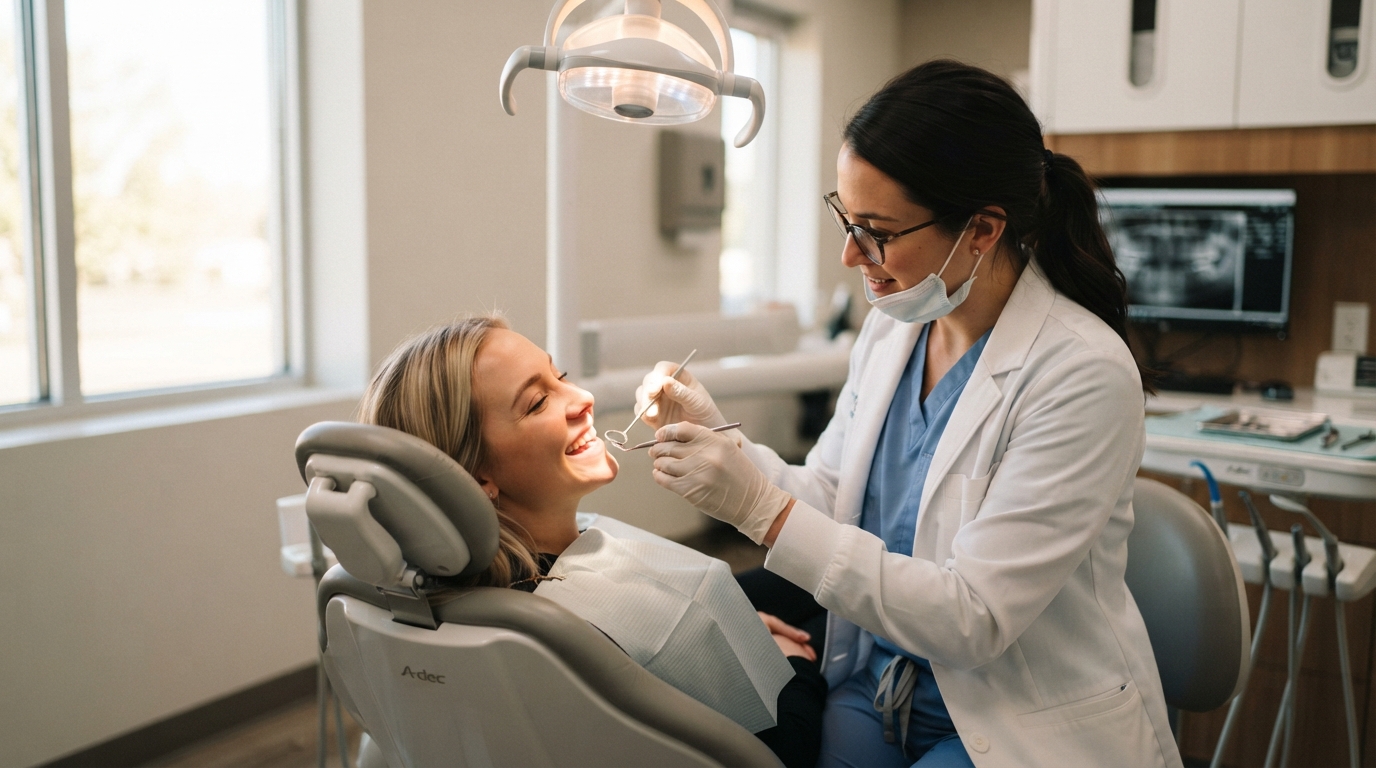
Each of these procedures requires an assessment of the patient’s existing dental structure, gum health, and bite alignment before any cosmetic work begins. A dentist who offers these services typically reviews X-rays or prior dental history to confirm that cosmetic treatment will not interfere with underlying oral health.
How Cosmetic Treatment Planning Works
Treatment planning for cosmetic procedures generally follows a structured sequence rather than a single appointment.
1. Initial exam and discussion of the patient’s cosmetic goals
2. Review of tooth condition, including enamel wear or existing restorations
3. Selection of a procedure or combination of procedures suited to the case
4. Scheduling of treatment, which may span one visit or several depending on complexity
Veneers and bonding often require more planning time than whitening because they involve altering the tooth surface. Patients considering multiple procedures may need a longer consultation to sequence the work appropriately.
Oral Health Considerations Before Cosmetic Work
Cosmetic procedures are not performed in isolation from general oral health. The American Dental Association notes that untreated decay or gum disease should typically be addressed before elective cosmetic treatment begins, since underlying problems can affect the long-term result of cosmetic work.
For residents of Parker, CO, seasonal dryness and temperature swings common to the Front Range area can affect enamel sensitivity, which is a relevant factor when considering whitening or veneer placement. A dentist reviewing a patient’s full oral health history can flag these issues before cosmetic treatment is scheduled.
Comparing Common Cosmetic Procedures
| Procedure | Typical Goal | Relative Time Commitment |
| Teeth whitening | Reduce staining and discoloration | Single session or short series |
| Dental bonding | Repair chips, close small gaps | Usually one visit |
| Porcelain veneers | Reshape and cover visible tooth surface | Multiple visits |
This comparison is general and intended for educational purposes; actual time and suitability depend on each patient’s dental condition.
Frequently Asked Questions
What is the difference between general and cosmetic dentistry? General dentistry focuses on prevention, diagnosis, and treatment of oral disease, while cosmetic dentistry addresses the visual appearance of teeth and smiles.
Do cosmetic procedures require an oral health exam first? Most cosmetic treatments begin with an exam to confirm that teeth and gums are healthy enough to support the planned procedure.
How long do cosmetic dental results typically last? Longevity varies by procedure and by how well a patient maintains oral hygiene, since whitening, bonding, and veneers each have different wear characteristics.
Based in USA, Holly B. Sletten DMD serves patients in the Parker, CO area through consultations focused on cosmetic dental procedures such as whitening, bonding, and veneers.
Next Steps for Exploring Cosmetic Dental Options
Readers who want to review treatment options and provider background can find current information for Holly B. Sletten DMD published alongside details on cosmetic procedure planning.
Cosmetic dentistry works best as part of a broader approach to oral health, where appearance-focused procedures are paired with routine care and an accurate understanding of each patient’s dental condition. Reviewing procedure types, planning steps, and relevant health considerations beforehand can help patients form realistic expectations before starting treatment.