Previous paintwork matters before a professional car wrap because the condition, quality, and curing of the paint determine whether vinyl can adhere properly to the vehicle’s exterior. A car that has been repainted may still be suitable for wrapping, but refinished panels require careful evaluation because their coating characteristics and adhesion can differ from factory-applied paint.
Many vehicle owners consider car wraps when they want to change their car’s appearance without undergoing a complete repaint. Others want custom graphics that complement an existing color or reflect their personal style.
However, the finished appearance of a wrap depends on more than the vinyl itself. The surface underneath plays an important role in adhesion, visual consistency, and future removal.
For vehicle owners in Avondale, Arizona, understanding how previous paintwork affects wrapping can help establish realistic expectations before beginning a customization project.
Why Is Factory Paint Generally Preferred for Car Wrap Installation?
Factory paint is generally preferred because original automotive finishes are applied under controlled manufacturing conditions.
These processes are intended to create consistent paint coverage, coating adhesion, and surface durability.
Although factory finishes can deteriorate over time, an undamaged original paint system provides a more predictable starting point than a vehicle with an unknown refinishing history.
Factory Paint Has a More Consistent Application History
Vehicle manufacturers use established processes to prepare body panels and apply protective coatings.
These processes typically include surface treatment, primers, color coatings, and clear coats.
Because these layers are applied according to manufacturer specifications, their condition can be assessed with greater confidence when the vehicle has been properly maintained.
Aftermarket refinishing introduces additional variables.
A repainted panel may use different primers, paint products, curing methods, or surface preparation techniques.
These differences do not automatically make the panel unsuitable for wrapping, but they can affect how the vinyl interacts with the finish.
Refinished Panels Require Individual Evaluation
A vehicle may have one repainted door while the remaining body panels retain their original finish.
Although the color appears consistent, the repainted area may have different surface characteristics.
For example, the clear coat could have a different texture, or the paint system may have experienced different curing conditions.
Professional installers consider these factors when determining whether custom car wraps can be applied appropriately.
The condition of each relevant surface matters more than whether the vehicle appears visually uniform.
Paint Appearance Does Not Guarantee Adhesion
A freshly polished vehicle may look suitable for wrapping, but visual appearance alone cannot confirm the stability of its paint.
A coating can appear smooth and glossy while containing adhesion weaknesses beneath the surface.
Avery Dennison emphasizes the importance of a sound application surface, noting that previously repainted vehicles can present additional risks during wrapping and removal.
Graphics
This is why professional inspection remains important even when the vehicle has no obvious cosmetic damage.
How Does the Quality of Previous Paintwork Affect Vinyl Adhesion?
Paint quality influences how securely the wrap film bonds to the vehicle.
A properly applied and stable coating provides a different foundation from one with insufficient preparation, inconsistent curing, or weak adhesion between layers.
Surface Preparation Influences Paint Stability
Before a vehicle is repainted, the refinishing process typically requires appropriate cleaning, preparation, and coating application.
If the original surface was not prepared correctly, the new coating may not bond as intended.
A wrap film applied over that coating can only perform within the limitations of the underlying surface.
The vinyl adhesive cannot strengthen a poorly bonded paint layer.
This distinction is important because customers sometimes assume that a premium wrap material can compensate for previous refinishing problems.
In practice, even high-quality film depends on a suitable substrate.
Different Paint Systems Have Different Characteristics
Automotive refinishing products vary in their chemical composition, application procedures, and curing requirements.
A vehicle could have been repainted using a professional automotive coating system, while another may have received a less controlled cosmetic finish.
These differences can influence compatibility with adhesive films.
A professional installer may need information about the coating manufacturer and application date to determine whether the proposed wrap is appropriate.
Without that information, the vehicle’s paint condition may require additional evaluation.
Poorly Bonded Paint Can Create Removal Risks
One concern with wrapping previously repainted vehicles is the possibility of coating damage during future removal.
If the paint does not adhere securely to the underlying surface, removing the vinyl can expose weaknesses in the refinished coating.
This possibility exists even when the wrap itself has been professionally installed.
A reputable car wrap service should help customers understand that the removal performance of previously repainted panels cannot be guaranteed solely by selecting a particular wrap film.
Why Does Paint Curing Matter Before Installing a Car Wrap?
Paint curing is important because newly applied automotive coatings may require additional time before they are suitable for adhesive film.
A surface that feels dry is not necessarily fully cured.
The curing process depends on the specific refinishing materials and procedures used.
Drying and Curing Are Different Processes
Drying generally refers to the point when a coating becomes dry to the touch or can be handled.
Curing involves the development of the coating’s intended physical and chemical properties.
Depending on the paint system, these processes may occur at different rates.
Applying vinyl before the coating is sufficiently cured can introduce risks involving adhesion, trapped solvents, and future removal.
The appropriate timing must follow the paint manufacturer’s instructions.
There Is No Universal Waiting Period
Vehicle owners may encounter general recommendations about how long they should wait after repainting before scheduling a wrap.
However, these recommendations cannot account for every automotive paint system.
Avery Dennison’s Supreme Wrap Film application guidance advises allowing repainted surfaces to dry and harden completely, recommends waiting at least one week after repainting or repairs, and directs installers to consult the paint manufacturer for specific requirements.
graphics.averydennison.com
The manufacturer’s requirements remain important because some coatings may require different conditions or longer curing periods.
A professional installer should not assume that every vehicle becomes suitable for wrapping after the same number of days.
Refinishing Documentation Can Support Planning
When available, documentation from the paint or collision repair facility can provide useful information.
This may include the paint system used, the date of application, and relevant curing recommendations.
Such information can help establish whether the vehicle is ready for the proposed graphic application.
For customers considering a 3M vinyl car wrap, understanding the condition of newly applied paint is particularly important because the material’s application instructions must be followed.
Can Previous Paintwork Affect the Finished Appearance of a Car Wrap?
Yes. Previous paintwork can influence the final appearance because vinyl generally follows the contours and texture of the surface underneath.
A wrap changes the visible color or graphic design, but it does not automatically eliminate surface imperfections.
Paint Texture Can Remain Visible
Some refinished panels have noticeable orange peel, which creates a slightly uneven texture in the paint surface.
This appearance can result from variations in the refinishing process.
When vinyl is applied over a textured surface, the underlying characteristics may remain visible.
The effect depends on the severity of the texture, the selected film, and the viewing conditions.
A glossy wrap, for example, may make certain surface irregularities more noticeable than expected.
Sanding Marks and Imperfections Can Affect Results
Previous refinishing work may leave subtle sanding marks or other surface defects.
Although these imperfections might be difficult to notice under ordinary lighting, they can become apparent after the wrap is applied.
This is particularly relevant for smooth, reflective finishes.
A professional assessment helps identify whether the existing paintwork can support the desired appearance.
Vinyl should not be viewed as a replacement for appropriate automotive finishing.
Repainted Panels May Have Uneven Coating Thickness
A vehicle that has undergone multiple refinishing procedures may have differences in coating thickness across its exterior.
These variations do not necessarily prevent wrapping, but they can indicate differences in the underlying paint system.
The important consideration is whether the coating remains stable and appropriate for vinyl application.
A professional installer may recommend further assessment when the refinishing history raises concerns.
What Happens When Only Part of a Car Has Been Repainted?
Partial repainting creates a situation in which the wrap may be applied across surfaces with different coating histories.
For example, a car may have a factory-painted hood, a refinished front bumper, and an original rear quarter panel.
These areas can look consistent while responding differently to vinyl application.
Different Panels May Present Different Conditions
A repainted bumper may have different surface characteristics from a factory-finished metal door.
The bumper’s material, coating system, and refinishing history can all influence compatibility.
A wrap installer should consider the condition of each panel included in the proposed coverage.
This is especially important for designs extending continuously across several body sections.
Full Wraps Require Broader Surface Evaluation
When a customer requests a full exterior wrap, the project involves more surfaces than a small accent application.
This increases the importance of understanding the vehicle’s complete paint history.
A car with one questionable refinished panel may require a different approach from a vehicle with consistently maintained factory paint.
The appropriate coverage depends on the condition of the individual surfaces and the customer’s objectives.
Partial Graphics May Offer Different Options
A vehicle owner may want stripes, accent graphics, or selected panel coverage rather than a complete color change.
In these situations, the proposed graphics may not involve every previously refinished area.
However, the installer still needs to assess the intended application surfaces.
The decision should depend on actual compatibility rather than assuming smaller graphics eliminate all paint-related risks.
Does Paint Condition Matter When Choosing a 3M Vinyl Car Wrap?
Material selection is important, but the paint surface remains a fundamental consideration.
3M produces vehicle wrap films designed for particular application conditions, surface types, and intended uses.
However, the presence of a recognized manufacturer name does not guarantee compatibility with every previously repainted vehicle.
Premium Films Still Require Stable Paint
3M’s consumer guidance for Wrap Film Series 1080 and 2080 recommends applying films to finishes in condition comparable to new vehicles and requires recently applied paint to be fully cured according to the paint manufacturer’s directions.
multimedia.3m.com
This reinforces the importance of evaluating the coating beneath the film.
A high-quality product cannot correct weak adhesion between existing paint layers.
Material Choice Depends on the Application
Wrap films have different characteristics involving finish, conformability, and approved application surfaces.
Some products are intended for complex curves and recessed areas, while others may have more limited applications.
Material selection should reflect the vehicle’s condition and the intended design.
For previously repainted vehicles, the underlying paint system remains a separate consideration.
Manufacturer Requirements Help Establish Expectations
Wrap-film manufacturers publish technical guidance covering application conditions, surface preparation, and material limitations.
These instructions help professionals determine how products should be used.
Customers should understand that a film’s suitability depends on the complete application, not simply its color or advertised features.
How Can Previous Paintwork Influence Long-Term Wrap Performance?
The performance of a wrap depends on several factors, including material selection, installation quality, surface condition, environmental exposure, and maintenance.
Previous paintwork is one component of that broader picture.
Adhesion Depends on the Underlying Surface
A wrap film relies on its adhesive bonding to a suitable exterior finish.
If the paint system beneath it is unstable, the film may encounter problems unrelated to the quality of the wrap material.
These issues can include localized lifting or coating damage during removal.
Professional assessment helps establish whether the application surface meets the relevant requirements.
Arizona’s Climate Adds Environmental Considerations
Vehicles operating in Avondale and surrounding communities experience substantial sunlight and high seasonal temperatures.
These conditions influence how exterior automotive materials age.
However, environmental exposure should not be confused with the condition of previous paintwork.
A properly selected film still requires an appropriate application surface, regardless of the climate.
Wrap Removal Deserves Attention Before Installation
A vehicle owner may eventually want to change the wrap, replace damaged graphics, or return the car to its painted appearance.
The condition of the underlying paint can influence that process.
Previously repainted panels may present greater uncertainty, particularly when the quality of the coating is unknown.
Discussing these considerations before installation helps establish realistic expectations.
What Should Vehicle Owners Discuss With a Professional Car Wrap Provider?
A useful wrap consultation considers more than the desired color or design.
For vehicles with previous paintwork, information about refinishing history can help determine whether the proposed application is appropriate.
When and Where the Vehicle Was Repainted
The approximate date of repainting and the panels involved can provide useful context.
If the work was completed recently, the installer may need confirmation that the coating has cured sufficiently.
Older refinishing work may require evaluation for coating stability and surface condition.
Whether the Paintwork Was Professionally Completed
Knowing who performed the refinishing may help customers obtain information about the coating system and relevant recommendations.
However, professional refinishing does not automatically establish wrap compatibility.
The existing finish still needs to be evaluated.
What Type of Wrap Is Being Considered
A customer seeking full coverage may have different requirements from someone requesting accent graphics.
The selected film and intended coverage influence the application.
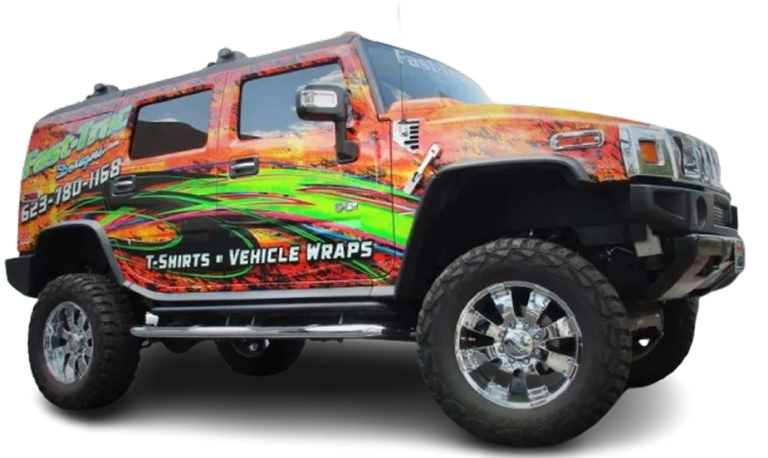
For vehicle owners considering car wraps in Avondale, Fast-Trac Designs provides professional vehicle graphics design, printing, and installation services.
Their team can discuss the intended project and vehicle-specific considerations, including how existing exterior finishes may affect the proposed wrap.
Why Is Professional Paint Evaluation Important Before Wrapping?
Professional evaluation helps distinguish a suitable application surface from one that may require additional attention.
This is especially relevant when a vehicle’s repainting history is incomplete.
An Inspection Helps Identify Application Limitations
A wrap professional can assess the visible condition of the intended surfaces.
This may reveal coating deterioration, uneven finishes, or other characteristics that could affect installation.
However, visual inspection cannot guarantee the internal adhesion of every paint layer.
Additional evaluation or information from the refinishing provider may be necessary.
Some Vehicles May Need Automotive Refinishing Attention
If the paint is unstable, deteriorating, or otherwise unsuitable, the appropriate next step may involve a qualified automotive refinishing professional.
A wrap installer should not be expected to correct underlying paint defects through vinyl application.
These are separate services with different technical requirements.
The Goal Is a Suitable Foundation
The best starting point for a professional wrap is a stable, appropriately prepared surface that meets the film manufacturer’s requirements.
For previously repainted vehicles, reaching that determination may involve additional questions or evaluation.
That attention helps customers understand the limitations of the project before production and installation begin.
Previous Paintwork Should Be Evaluated Before Any Car Wrap Project
Previous paintwork can significantly influence whether a vehicle is suitable for wrapping.
Factory finishes and aftermarket refinishing systems may differ in coating adhesion, curing history, surface texture, and long-term stability.
These characteristics affect more than the initial installation. They can also influence the appearance of the finished graphics and the risks associated with eventual removal.
For vehicle owners considering custom car wraps, the most useful approach is to provide accurate information about known repainting and allow experienced professionals to assess the intended application surfaces.
A recently repainted vehicle may need additional curing time, while an older refinished panel may require closer evaluation of its coating condition.
Not every previously painted car is unsuitable for wrapping. However, a professional application depends on the actual state of the exterior rather than assumptions about how the paint looks.
Understanding these considerations helps vehicle owners make informed customization decisions while maintaining realistic expectations about the role of vinyl graphics.
About Fast-Trac Designs
Fast-Trac Designs operates from Phoenix, Arizona, providing custom vehicle graphics and professional wrap installation for customers throughout the surrounding region, including Avondale. Established in 2007, the company works with materials from manufacturers such as 3M and Avery Dennison, and its team includes certified wrap installers. Vehicle owners can discuss their projects at (623) 780-1168 or find their Phoenix location on Google Maps.