• When heating or cooling fails in Papillion, NE, knowing what qualifies as a true emergency and who to call can protect both your comfort and your safety.
• Local 24/7 HVAC service is available year-round; acting quickly on warning signs prevents minor issues from becoming costly failures.
When an HVAC system fails during a Nebraska winter or a sweltering summer, Papillion residents need fast, reliable help. Knowing the difference between a situation that warrants an emergency call and one that can wait until morning is the first step toward a safe, cost-effective response.
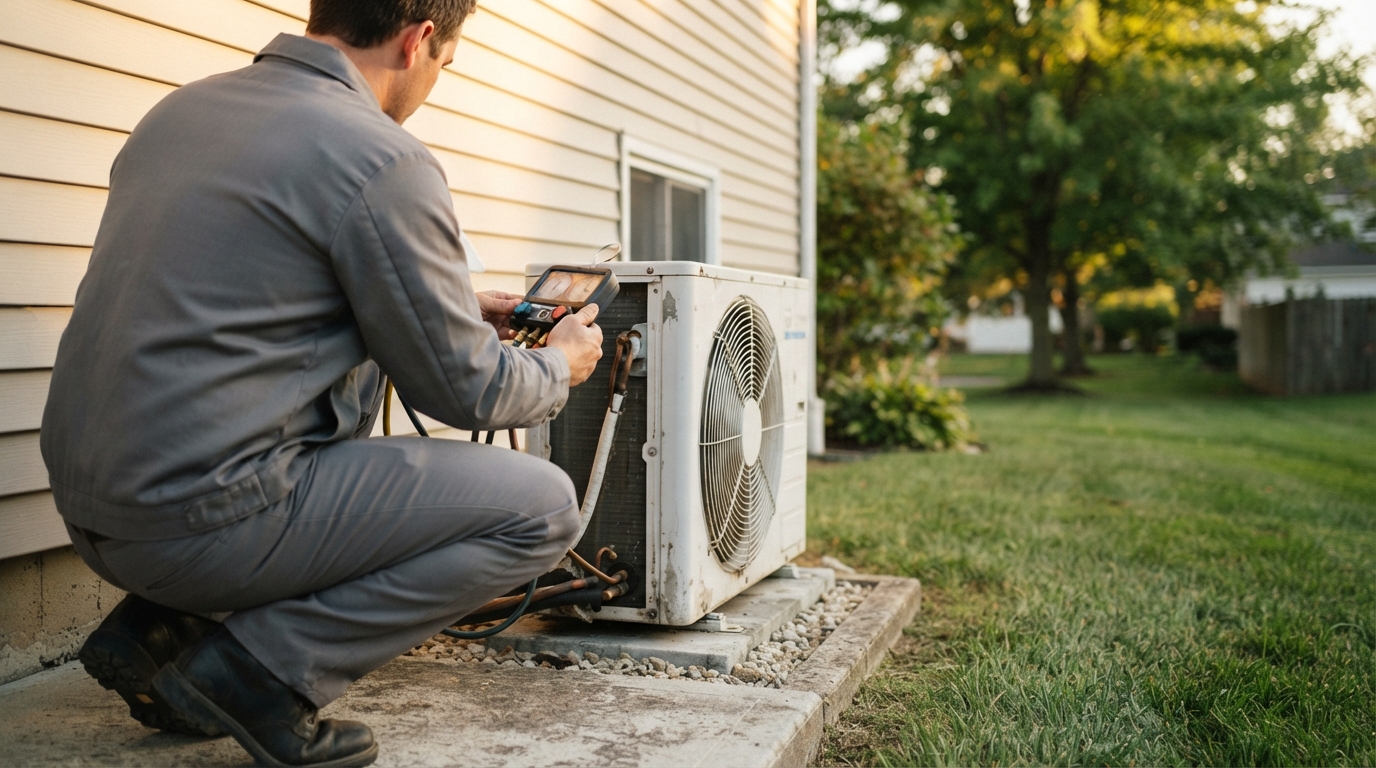
For those searching for Emergency HVAC Papillion NE, local certified technicians are available around the clock for emergency AC or furnace repairs, routine maintenance, and complete system installation. Acting on the right information before and during a breakdown reduces both risk and repair cost.
Recognizing a True HVAC Emergency
Not every system hiccup demands an after-hours call, but some conditions require immediate professional attention.
Situations that qualify as genuine emergencies include:
• No heat in freezing temperatures. Indoor temperatures below 55 degrees Fahrenheit can damage pipes and create health risks, particularly for elderly residents and young children.
• No cooling during extreme heat. Papillion sees humid summers above 90 degrees Fahrenheit, which puts heavy stress on HVAC equipment and can create dangerous indoor conditions without air conditioning.
• Smell of gas or burning. Either odor near a furnace or air handler requires shutting the system off immediately and calling both your utility provider and an HVAC technician.
• Carbon monoxide detector activation. A cracked heat exchanger in a furnace separates the air you breathe from combustion gases, and a crack can allow dangerous carbon monoxide to leak into your home’s air supply — a confirmed crack means the furnace must be shut down immediately.
• Electrical burning smell or visible sparking. These indicate a potential fire hazard and require the system to be powered off at the breaker before a technician arrives.
Situations that can typically wait for a scheduled appointment include minor temperature inconsistencies, a single warm room, or a thermostat display that is unresponsive but not causing a comfort crisis.
What to Do Before the Technician Arrives
Taking a few simple steps after placing an emergency call can make the technician’s visit faster and safer.
1. Check the thermostat. Confirm it is set to the correct mode (heat or cool) and that the temperature setting is appropriate. A dead battery is a surprisingly common cause of a “failed” system.
2. Inspect the circuit breaker. A tripped breaker is the first thing most technicians check. Reset it once; if it trips again, leave it off and report this to the technician.
3. Replace or check the air filter. A severely clogged filter can cause a furnace to overheat and shut down on a safety limit. HVAC equipment often shows signs of underperforming well before a full emergency occurs, and recognizing symptoms early can help homeowners plan before conditions become critical. According to the U.S. Department of Energy’s ENERGY STAR program , regular attention to system condition is one of the most effective ways to avoid unplanned failures.
4. Clear the area around the unit. Remove any debris, stored items, or ice buildup from around outdoor condenser or heat pump units.
5. Document what you observed. Note any unusual sounds, smells, or error codes on the thermostat display. This information speeds up diagnosis.
Comparing Common Emergency Scenarios
|
Situation |
Immediate Action |
Call Urgency |
|
No heat, temp below 55 F |
Check breaker and filter; use space heater safely |
High — call now |
|
No cooling, heat index above 90 F |
Move to lower level; use fans |
High — call now |
|
Gas smell near furnace |
Evacuate; call gas utility first |
Critical — do not delay |
|
Intermittent heating or cooling |
Note frequency and patterns |
Moderate — same-day call |
Preventive Steps That Reduce Emergency Risk
Twice-yearly HVAC maintenance — a spring AC tune-up and a fall furnace check — helps prevent breakdowns, maintain efficiency, and extend equipment life through Nebraska’s seasonal extremes. Scheduling these visits before peak demand seasons means technicians are more available and parts are easier to source.
Affordable maintenance plans can prolong system life, lower energy bills, and prevent breakdowns before they occur. For Papillion homeowners, enrolling in a plan before winter or summer arrives is a practical way to avoid the stress and added cost of after-hours emergency calls.
Sustainable Heating & Air is licensed, bonded, and insured, and proactively provides proof before work begins. The company is available 24/7, 365 days a year, and can be reached by call or text at 402-885-4822.
Frequently Asked Questions
What qualifies as an HVAC emergency in Papillion? Any situation that poses a health or safety risk — no heat in freezing weather, no cooling during dangerous heat, a gas smell, or a carbon monoxide alarm — qualifies. System inefficiency or uneven temperatures generally do not.
How quickly can a technician arrive for an emergency call? 24/7 emergency service is available for Papillion-area residents, with furnace and heat pump repair among the services offered for same-day response.
Does regular maintenance actually prevent emergencies? Yes. Maintenance plans are designed to prolong system life, lower energy bills, and prevent breakdowns by catching worn components before they fail under peak seasonal load.
What services are available beyond emergency repair? From installation to emergency repair, local technicians handle every aspect of a home comfort system, including upgrades to energy-efficient Carrier technology.
For Papillion residents facing a heating or cooling crisis, preparation and a trusted local contact are the two most effective tools available. Sustainable Heating & Air serves the Papillion area with verified 24/7 availability, covering emergency repairs, system installation, and preventive maintenance across Sarpy County and the greater Omaha metro. Keeping their contact information accessible before an emergency occurs is a straightforward step that can make a significant difference when conditions deteriorate quickly.