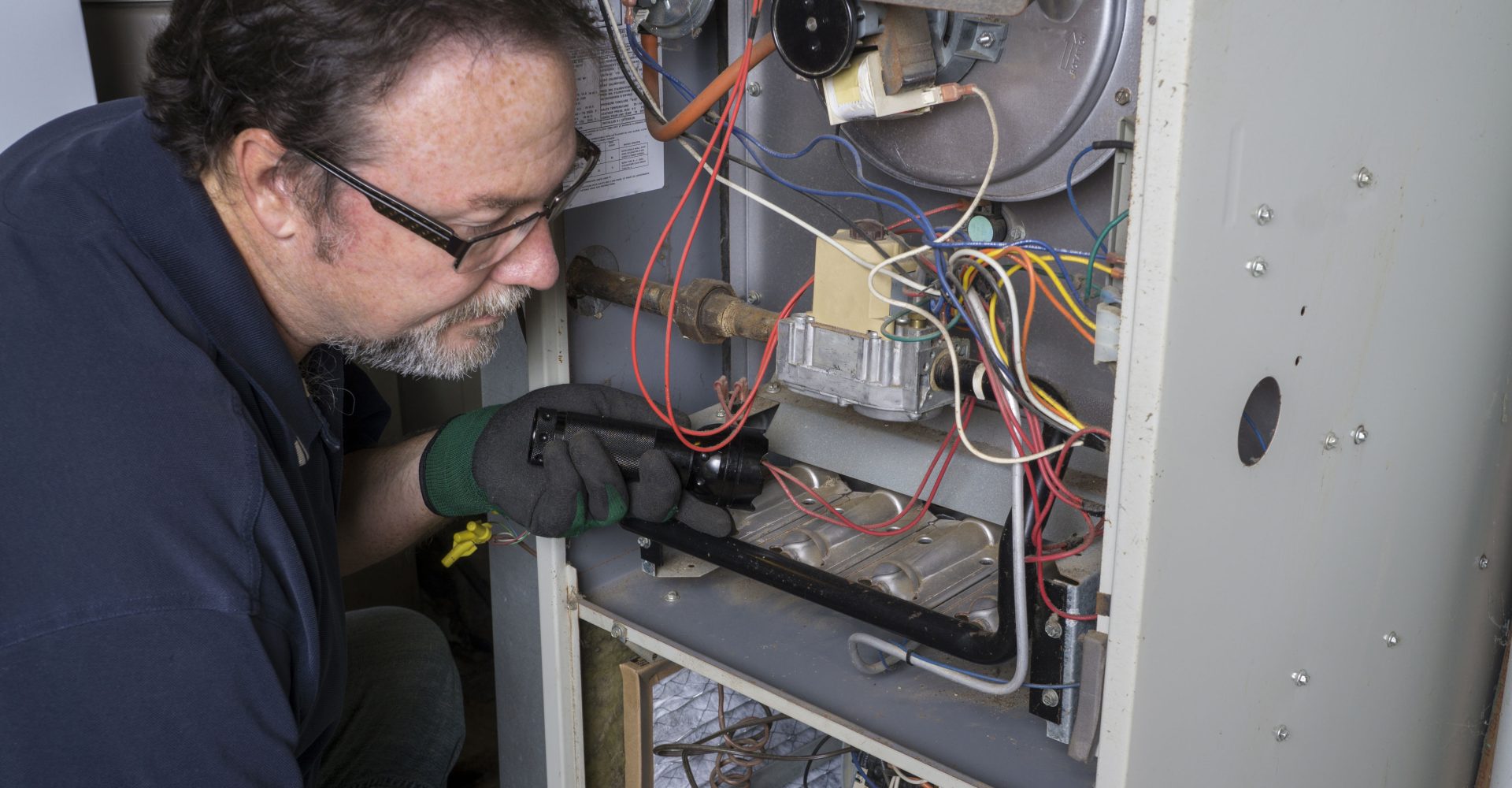
• Heating repair typically moves through four stages: diagnosis, cause identification, component repair or replacement, and system testing.
• Common signs a furnace needs service include uneven heating, unusual noises, short cycling, and rising energy bills.
• Readers in Gretna, NE can review verified diagnostic and repair steps below to understand what a service visit usually involves.
A heating system that will not maintain temperature, cycles too often, or produces unusual sounds generally points to a mechanical or electrical fault that a trained technician identifies through a structured inspection. The process moves from visual inspection to component testing before any repair work begins, which helps confirm the actual cause rather than just the symptom.
Heating Repair Gretna NE addresses the specific point of failure within a furnace, heat pump, or boiler system, rather than simply replacing parts without first identifying the underlying issue. A methodical diagnostic approach reduces the chance of repeat breakdowns and helps homeowners understand what is actually happening inside the equipment before a technician recommends next steps.
What Happens During a Diagnostic Visit
A technician arriving for a heating repair call typically follows a sequence designed to isolate the fault before touching any components.
1. Initial symptom review – The technician asks about the specific problem, such as no heat, inconsistent warmth, strange noises, or a system that will not turn on.
2. Visual inspection – This includes checking the thermostat, air filter, ductwork connections, and the condition of the furnace cabinet or heat pump housing.
3. Electrical and safety checks – Technicians tighten electrical connections and measure voltage and current on motors, since faulty connections can cause unsafe operation and shorten the life of major components, according to ENERGY STAR’s maintenance checklist.
4. Component testing – Igniters, sensors, blower motors, and control boards are tested individually to isolate which part is causing the malfunction.
5. Airflow and combustion review – For furnaces, technicians verify that air filters are inspected, cleaned, or changed and confirm the system starts, operates, and shuts off properly.
Common Causes Identified During Repair
Several recurring issues appear across most heating repair calls, regardless of system type.
|
Issue |
Typical Symptom |
Common Fix |
|
Clogged or dirty air filter |
Reduced airflow, higher energy use |
Filter cleaning or replacement |
|
Faulty ignition component |
System won’t start or short cycles |
Igniter or sensor replacement |
|
Thermostat miscalibration |
Inconsistent room temperatures |
Recalibration or thermostat repair |
|
Blocked condensate drain |
Water pooling, humidity issues |
Drain inspection and clearing |
A clogged filter is one of the most frequent findings during inspections, since dirt and neglect are identified as top causes of heating and cooling system inefficiency and failure, according to ENERGY STAR guidance on HVAC maintenance. Addressing filter condition early often resolves minor performance complaints before they escalate into larger mechanical failures.
From Repair to System Verification
Once the faulty component is identified, the technician completes the repair and verifies that the system operates correctly before ending the visit.
• Replace or repair the identified part using compatible components for the system’s make and model.
• Restart the system and observe a full heating cycle to confirm proper startup, operation, and shutoff.
• Check thermostat settings to confirm the system responds accurately to programmed temperatures.
• Review airflow at supply vents to confirm even distribution throughout the home.
Seasonal climate conditions in Gretna, NE make this verification step particularly relevant, since cold-weather demand places sustained strain on furnace components during winter months. Scheduling an inspection before peak cold season helps identify wear before it results in a full system failure.
Where Heating Repair Service Is Available
Based in Papillion, NE, Get Your Heating System Back on Track extends residential heating service to Gretna, NE. The distinction between the business’s operating base and its service area matters for homeowners confirming which providers can respond to a repair call in their specific neighborhood.
Frequently Asked Questions
How long does a typical heating repair visit take? Most diagnostic and repair visits for a single component, such as an igniter or thermostat, are completed within one visit once the cause is identified, though complex electrical issues may require additional time.
What are the warning signs that a furnace needs repair? Uneven heating between rooms, short cycling, unusual noises, and a noticeable rise in energy bills are common indicators that a system requires professional inspection.
Is annual heating maintenance different from a repair visit? Yes. Maintenance is a preventive inspection performed before peak season, while repair addresses an existing malfunction; a professional pre-season check-up is generally recommended to catch problems early.
Can a dirty air filter really cause major heating problems? A clogged filter reduces airflow, forcing the system to work harder, which can increase energy costs and contribute to early equipment failure if left unaddressed.
Checking Local Service Details
Readers can Get Your Heating System Back on Track for published location and contact details relevant to the Gretna, NE service area.