Gardening has always been a practice of patience and persistence, but the integration of scientific advancements, such as the use of mycorrhizal fungi, has revolutionized how we approach sustainability in our gardens. Mycorrhizal fungi, a type of beneficial fungi that form symbiotic relationships with plant roots, enhance plant growth and soil health. This article delves into the myriad benefits and practical applications of these fungi in sustainable gardening.
Understanding Mycorrhizal Fungi
Mycorrhizal fungi occur naturally in soil and are known for their role in facilitating the exchange of nutrients between soil and plant roots. They attach to plant roots and extend far into the soil, increasing the surface area for water and nutrient absorption. This relationship not only boosts plant health but also enhances soil structure and fertility.
Key Benefits of Using Mycorrhizal Fungi in Gardens
- Enhanced Nutrient Uptake: These fungi increase the amount of water and nutrients a plant can utilize, particularly phosphorus, nitrogen, and micronutrients.
- Drought Resistance: Plants with a healthy mycorrhizal network can survive better in dry conditions due to improved water uptake.
- Disease Suppression: By strengthening the plant’s root system, mycorrhizal fungi help in warding off root diseases and pathogens.
- Soil Health Improvement: Mycorrhizal fungi help in building soil structure and promoting the activity of other beneficial microorganisms.
- Reduced Need for Chemical Fertilizers: With improved nutrient uptake efficiency, the reliance on chemical fertilizers can decrease, promoting a more organic gardening approach.
Applications in Different Types of Gardens
Vegetable Gardens
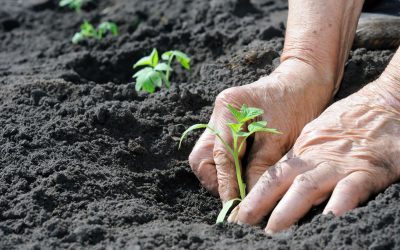
In vegetable gardens, mycorrhizal fungi can be particularly beneficial for crops that are heavy feeders of nutrients. By inoculating seedlings or adding mycorrhizal fungi to the soil during planting, gardeners can ensure healthier growth and higher yields.
Ornamental and Flower Gardens
For ornamental plants and flowers, mycorrhizal fungi contribute to vibrant color displays and robust growth by enhancing the overall health of the plants. They are especially useful when establishing new plants in poor soil conditions.
Lawns
Applying mycorrhizal fungi in lawns can help in establishing a lush, green cover by improving grass growth and tolerance to environmental stresses like drought and frost.
Implementing Mycorrhizal Fungi in Your Garden
To effectively use mycorrhizal fungi, it’s important to ensure that the soil is conducive to fungal growth. Avoiding excessive use of chemical fertilizers and pesticides is crucial as they can harm the fungi. Incorporating organic matter like compost can also help in fostering a thriving fungal network.
Mycorrhizal fungi offer a natural and effective way to enhance the sustainability of gardens. By improving nutrient uptake, increasing drought resistance, and reducing the dependency on chemical inputs, these fungi play a pivotal role in creating healthier and more resilient plant ecosystems. Gardeners looking to adopt more sustainable practices should consider the strategic use of mycorrhizal fungi to not only benefit their plants but also contribute to a healthier environment. For quality mycorrhizal products, one can look to reputable sources like Groundwork BioAg Ltd. to get started on a journey towards more sustainable gardening.