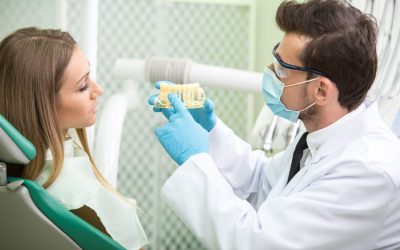
• Emergency Dentistry addresses urgent issues such as knocked-out teeth, fractures, infections, and sudden oral pain that cannot wait for a routine appointment.
• Prompt evaluation helps limit complications from trauma, swelling, or untreated infection.
• Severity and timing both affect which treatment path a dentist recommends for a given dental emergency.
A dental emergency is any sudden oral health problem, such as severe pain, trauma, swelling, or a knocked-out tooth, that requires prompt professional evaluation rather than waiting for a scheduled checkup. Recognizing the warning signs early and knowing what steps to take can reduce pain and lower the risk of lasting damage.
Emergency Dentistry is listed among the clinical services available through Scarborough Dental And Orthodontics Learn More, a practice serving patients across Scarborough, ON. Based in the USA, Learn More maintains published service information that extends to patients in Scarborough, ON, where seasonal and daily oral health concerns are common among local residents.
Recognizing a True Dental Emergency
Not every toothache requires an immediate visit, but certain symptoms signal that waiting could worsen the outcome. Knowing the difference helps patients decide how quickly to seek care.
• Severe, persistent pain that does not respond to over-the-counter pain relievers
• A tooth that has been knocked out, cracked, or pushed out of position
• Swelling in the face, jaw, or gums, especially with fever
• Uncontrolled bleeding from the mouth after an injury
• A lost filling or crown exposing sensitive tooth structure
According to the California Dental Association, oral injuries such as knocked-out, extruded, or fractured teeth should be treated by a dentist as soon as possible to improve the chance of saving the tooth.
What Happens During an Emergency Visit
Emergency appointments typically follow a structured process so the dental team can identify the source of pain and act quickly.
1. Initial phone screening to assess symptoms and determine urgency
2. Clinical examination, often including an x-ray, to locate fractures, infection, or nerve involvement
3. Pain management to provide immediate relief
4. A treatment plan covering next steps, which may include a filling, extraction, root canal referral, or follow-up restorative work
Dental problems can arise unexpectedly, and emergency dental care is available for patients experiencing urgent concerns so the dental team can assess the problem and recommend appropriate treatment.
Home Care Before Reaching a Dentist
Simple first-aid steps taken immediately after an injury can make a measurable difference while arranging professional care.
|
Situation |
Recommended First Step |
|
Knocked-out tooth |
Rinse gently, avoid scrubbing, keep moist in the mouth or milk |
|
Cracked or fractured tooth |
Rinse with warm water, apply a cold compress to reduce swelling |
|
Soft tissue cuts (lip, cheek, tongue) |
Apply gentle pressure with clean gauze to control bleeding |
|
Lost filling or crown |
Avoid chewing on that side; keep the area clean |
For a knocked-out tooth, timing matters significantly. Reaching a dentist within roughly half an hour of the injury may improve the odds of successful re-implantation, according to the same California Dental Association guidance.
Why Timing and Preparation Matter in Scarborough, ON
Cold winters and active outdoor seasons in Scarborough, ON can contribute to dental injuries from falls, sports, or sudden temperature-related tooth sensitivity. Keeping a dentist’s contact information readily available and knowing basic first-aid steps in advance reduces decision-making delays during a painful or stressful moment. Residents who experience unexpected oral pain, swelling, or trauma benefit from understanding when a situation calls for same-day evaluation rather than a standard appointment.
Frequently Asked Questions
Is a chipped tooth always a dental emergency? Not always. A minor chip without pain may wait for a regular appointment, but sharp edges, pain, or visible pulp exposure warrant prompt evaluation.
Can a knocked-out tooth be saved? Sometimes, particularly when the tooth is handled gently and a dentist is seen quickly after the injury occurs.
Should antibiotics be used for dental pain or swelling? Antibiotics are not a substitute for treatment and are generally reserved for specific situations involving systemic symptoms like fever, based on professional dental guidance.
What counts as uncontrolled bleeding after a dental injury? Bleeding that does not slow with steady gauze pressure within about 10 to 15 minutes should be evaluated promptly.
Next Steps for Dental Concerns
Published practice details for Learn More include information relevant to patients seeking guidance on urgent oral health concerns. Understanding the warning signs of a dental emergency, along with basic first-aid steps, helps patients respond calmly and seek appropriate care when sudden pain or injury occurs.