Briefly:
• Fast water extraction and structural drying within 24-48 hours significantly reduce the risk of mold growth and material loss.
• Burst pipes, appliance leaks, sump pump failures, and storm intrusion are common causes of residential water emergencies in Joliet, IL.
• Professional moisture detection and drying equipment help identify hidden water trapped behind walls and under flooring.
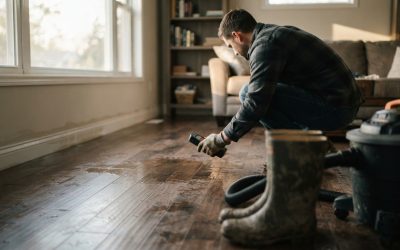
Standing water inside a home or business needs to be removed within hours, not days, because materials left wet for more than one to two days are prone to mold growth and structural weakening. Emergency water damage cleanup in Joliet IL typically begins with water extraction, moisture mapping, and placement of drying equipment before any repair work starts.
Water intrusion events vary widely in cause and severity, but the response sequence stays consistent across most residential and commercial losses. Homes across Joliet, IL face seasonal risks tied to older plumbing, heavy spring rainfall, and sump pump demands during freeze-thaw cycles, making a clear understanding of the cleanup process useful before an emergency happens. Discover Parkside Restoration and how its team handles water damage in Joliet.
Common Causes of Water Emergencies in Joliet Homes
Water losses rarely stem from a single source, and identifying the cause early affects both the cleanup method and the repair timeline.
• Burst or frozen pipes during winter cold snaps
• Appliance leaks from washing machines, water heaters, or dishwashers
• Sump pump failures during heavy rain events
• Roof leaks following storm damage
• Sewage backups and basement flooding from exterior water intrusion
Each of these situations introduces a different level of contamination, which determines whether water is treated as clean, gray, or black water during the restoration process.
Step-by-Step Process for Emergency Water Damage Cleanup
A structured cleanup sequence limits the spread of moisture and protects materials that can still be saved.
1. Safety assessment – checking for electrical hazards, structural instability, and contamination level before entry.
2. Water extraction – removing standing water using pumps and extraction equipment.
3. Moisture detection – using meters and infrared tools to locate trapped water behind walls, under flooring, and inside cabinetry.
4. Structural drying – positioning air movers and dehumidifiers to dry framing, drywall, and subfloor materials.
5. Sanitization – treating affected surfaces to address bacteria, odor, and contamination residue.
6. Damage assessment and repair planning – determining which materials can be dried and restored versus removed and replaced.
Moisture that is not fully addressed in the drying phase often resurfaces later as warped flooring, musty odors, or mold colonies hidden behind finished surfaces.
Why Timing and Drying Standards Matter
Mold control depends almost entirely on how quickly a space is dried after a water event. The EPA’s guidance on mold and moisture notes that it is important to dry water-damaged areas and items within 24-48 hours to prevent mold growth. This narrow window explains why emergency response time, rather than cleanup thoroughness alone, often determines whether a property owner faces a straightforward drying job or a more invasive mold remediation project later.
| Response Timing | Likely Outcome |
| Within 24-48 hours | Materials often dry fully; mold growth is less likely |
| 48-72 hours | Increased risk of swelling, warping, and early mold colonization |
| Beyond 72 hours | Higher likelihood of material removal and mold remediation |
Property owners who delay extraction or drying, even by a day, frequently see the project scope expand from simple drying to full material replacement.
Business Info
Based in Bolingbrook, IL, Parkside Restoration serves customers throughout Joliet, IL, with water damage response among its published service offerings. The company provides information about its restoration services, contact details, and service areas for property owners seeking assistance with water-related damage.
Frequently Asked Questions
How quickly should water be removed after a leak or flood? Industry and federal guidance both point to a 24-48 hour window for drying materials before mold growth becomes likely, making prompt extraction a priority after any water event.
Can carpet and drywall be saved after water damage? It depends on exposure time and contamination level; clean water removed quickly often allows materials to be dried and kept, while prolonged exposure or contaminated water usually requires removal.
What is the difference between water extraction and structural drying? Extraction removes visible standing water, while structural drying addresses moisture trapped within framing, subfloors, and wall cavities using air movers and dehumidifiers.
Does homeowners insurance typically cover emergency water damage cleanup? Coverage varies by policy and cause of loss, so reviewing policy details with an insurance provider before or immediately after an incident is recommended.
Final Thoughts
Acting within the first day or two after a water event remains the single most important factor in limiting long-term damage and controlling cleanup costs. For published service area and contact details, readers can Find Parkside Restoration Near You on Google Maps.