Key takeaway:
• Dry eye treatment ranges from artificial tears to in-office procedures that target clogged oil glands and tear film quality.
• An eye doctor exam is the only reliable way to identify the underlying cause before choosing a treatment path.
• Patients in Murrieta, CA have access to tear-health evaluations and lid treatments as part of routine optometric care.
Dry eye treatment addresses a condition in which the eyes do not produce enough tears or produce tears of poor quality, leading to irritation, burning, and blurred vision. Options range from over-the-counter lubricating drops to in-office procedures that target clogged oil glands, and the right approach depends on what is causing the tear film to break down. If you’re dealing with ongoing discomfort, Visit Temecula Eye Center Optometry to learn how their team evaluates tear health as part of a comprehensive eye exam and builds a dry eye treatment plan around your needs.
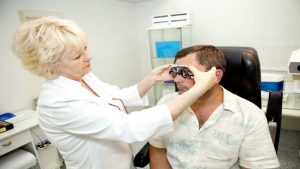
A comprehensive eye exam is typically the starting point for any dry eye treatment plan, since tear production and tear quality can be evaluated as part of a standard visit rather than through guesswork with over-the-counter products. Identifying whether the problem stems from insufficient tear volume, excess evaporation, or inflamed eyelid glands shapes which treatment is likely to help. Patients searching for options near Murrieta, CA can expect this kind of evaluation to precede any specific recommendation.
What Causes Chronic Dry Eye Symptoms
Dry eye disease develops when the eye’s tear film becomes unstable, either because too few tears are produced or because the tears evaporate too quickly. According to a 2025 Prevent Blindness awareness campaign citing the National Eye Institute, the National Eye Institute states that nearly 16.4 million Americans have dry eye. Common contributing factors include:
• Age over 50 and hormonal changes
• Previous refractive surgery, including LASIK
• Eyelid inflammation or blocked oil glands
• Environmental exposure to smoke, wind, or dry climates
• Extended contact lens wear or screen time
Research published in 2025 also points to environmental and lifestyle influences beyond the eye itself. A University of Miami-led study noted that dry eye disease is a condition that impacts up to 30 percent of the population globally, without any real cure, and researchers found that improving indoor air quality was one avenue worth studying for symptom relief. You can review the ongoing air-quality research through this University of Miami dry eye study for additional context on non-drug approaches.
Treatment Options Compared
No single treatment works for every patient, since the underlying cause of tear film instability varies from person to person. The table below outlines common categories of care.
| Treatment Type | How It Works | Best Suited For |
| Artificial tears | Lubricates the eye surface temporarily | Mild, occasional dryness |
| Anti-inflammatory drops | Reduces eyelid and ocular surface inflammation | Chronic or moderate dry eye |
| Lid-cleaning procedures | Clears blocked oil glands along the eyelid | Evaporative dry eye from gland dysfunction |
| Punctal plugs | Blocks tear drainage to retain moisture | Patients with low tear volume |
A comprehensive exam at a Murrieta-area optometry office typically determines which category applies before any product or procedure is recommended. Some practices in the region also carry specialized over-the-counter tear products alongside in-office lid treatments designed to deep-clean clogged glands, which can offer longer-lasting relief for chronic cases than drops alone.
What to Expect During Evaluation and Recovery
Recovery and ongoing management depend heavily on the cause identified during the initial exam. Most patients notice gradual improvement rather than instant relief, particularly when inflammation or gland blockage is involved.
1. An eye doctor reviews symptoms, screen time habits, and any prior eye surgery.
2. Tear quality and eyelid health are assessed using standard diagnostic tools.
3. A treatment plan is recommended, which may combine drops, lid care, or in-office procedures.
4. Follow-up visits track whether symptoms are improving or whether the plan needs adjustment.
Mild cases often respond within a few weeks of consistent artificial tear use, while gland-related dryness may take longer and benefit from periodic lid treatments. Patients living with dry eye near Murrieta, CA are generally advised to treat it as an ongoing condition requiring maintenance rather than a one-time fix, since symptoms can return if underlying triggers like screen exposure or dry air persist.
Frequently Asked Questions
How long does dry eye treatment take to work? Lubricating drops may ease mild discomfort within days, but chronic cases tied to gland dysfunction or inflammation often need several weeks of consistent treatment before noticeable improvement.
Can dry eye be cured permanently? Dry eye is generally managed rather than cured, since many underlying causes, such as aging or prior LASIK surgery, are not reversible; ongoing care keeps symptoms controlled.
Is dry eye treatment covered by vision insurance? Coverage varies by plan and by whether the visit is billed as a medical or vision benefit, so checking with the specific insurance provider before scheduling is recommended.
When should someone in Murrieta, CA see an eye doctor for dry eye? Persistent burning, redness, or blurred vision that does not improve with over-the-counter drops within a couple of weeks is a reasonable point to schedule a professional eye exam.
Dry eye symptoms rarely resolve on their own when left unaddressed, and an eye exam remains the most direct way to identify the cause before starting any treatment. Residents evaluating their options can review details and verified patient feedback for Find Temecula Eye Center Optometry on Google Maps as part of their research.